What to Expect from a Professional Mold Inspection in Boston
Living in Boston means dealing with old buildings, high humidity, and plenty of rain. If you own a home or manage a property in the area, you have likely encountered musty smells or visible patches of growth on walls or ceilings. A thorough mold inspection Boston can tell you exactly what you are dealing with before the problem gets worse. I have seen too many cases where a small spot in a basement turned into a full remediation project because someone waited too long. The sooner you know what is growing and why, the easier the fix will be.
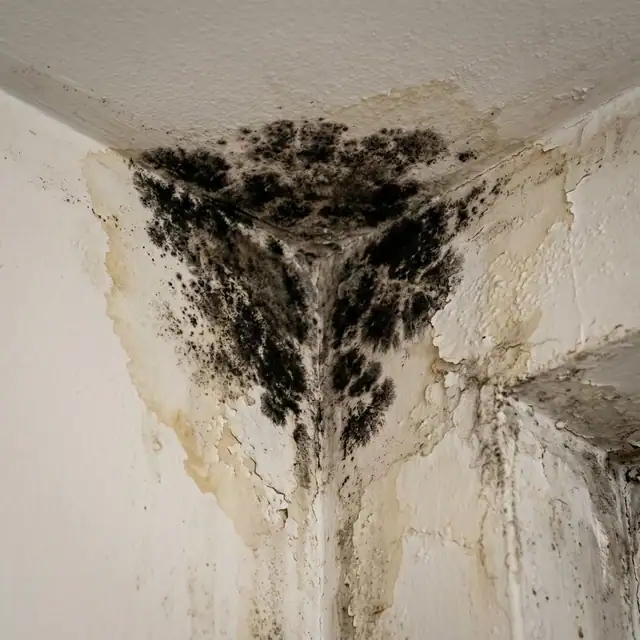
Mold is not always obvious. Sometimes it hides behind drywall, under flooring, or inside an HVAC system. A visual walkthrough only catches part of the picture. That is why a proper inspection involves sampling, moisture mapping, and a careful look at the building's history. In Boston, the combination of older construction and a damp climate means mold can appear in places you would not expect. I once worked on a 1920s triple-decker in Dorchester where the only sign was a slight discoloration near a baseboard. The mold inspection Boston uncovered Stachybotrys chartarum, also known as black mold, growing inside the wall cavity behind a bathroom. The homeowner had no idea it was there until the inspector used a boroscope to look behind the tile.
What a Mold Inspector Actually Does
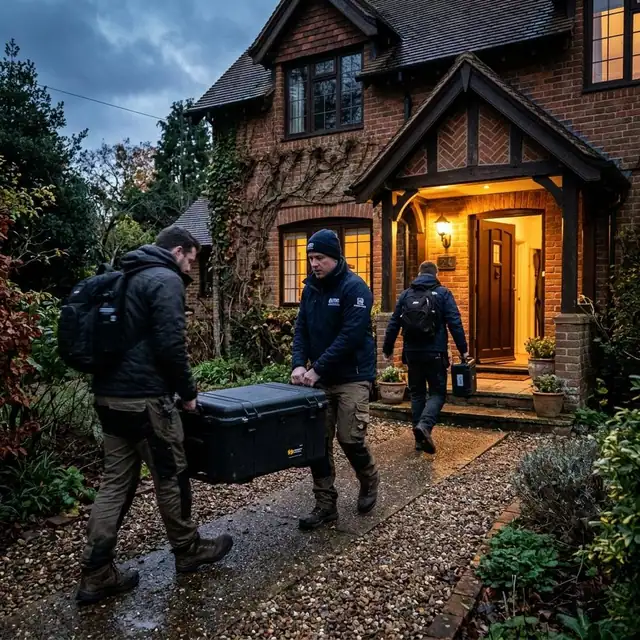
A certified inspector starts by talking to you about any known leaks, past flooding, or persistent odors. Then they walk the property with a moisture meter and thermal imaging camera. They look for areas where humidity collects, like basements, attics, and crawlspaces. These spots are common trouble zones in Boston homes because they often lack proper ventilation. The inspector checks for visible growth, but they also take samples to identify the species. A mold spore trap collects airborne particles, which are then analyzed in a lab. This tells you whether the spores are harmless or something more concerning like Aspergillus or Penicillium.
Surface sampling with tape lifts or swabs helps confirm what is growing on a specific area. The inspector might also use a boroscope to peek inside walls without cutting holes. This tool is especially useful for inspecting around windows, pipes, and roof penetrations. They measure moisture levels in wood, drywall, and concrete. If a reading is above 15 percent, there is enough moisture to support mold growth. That number alone can point you toward the root cause, whether it is a slow leak, poor drainage, or condensation from an HVAC system.
Why Lab Analysis Matters
Not all mold is toxic, but some types produce allergens or mycotoxins that affect health. The Environmental Protection Agency and the Centers for Disease Control and Prevention both recommend identifying the species before deciding on a cleanup strategy. For example, Aspergillus is common in household dust and usually harmless, but it can cause respiratory issues for people with asthma or weakened immune systems. Stachybotrys chartarum, the so-called black mold, gets more attention because it produces potent allergens. But white mold and other species can also cause problems. A lab report gives you clear information so you are not guessing about the risk.
The Massachusetts Department of Public Health offers guidelines for mold assessment and remediation in schools and public buildings. For private homes, the Boston Public Health Commission provides resources and sometimes referrals. They do not regulate private inspectors, but they do emphasize using trained professionals who follow standard protocols. The American Industrial Hygiene Association and the National Organization of Remediators and Mold Inspectors both offer certifications that indicate an inspector follows established methods. ASTM International also publishes standards for mold sampling and analysis. When you hire someone, ask about their training and whether they follow these industry standards. It makes a difference in the quality of the report you get.
Common Findings in Boston Homes
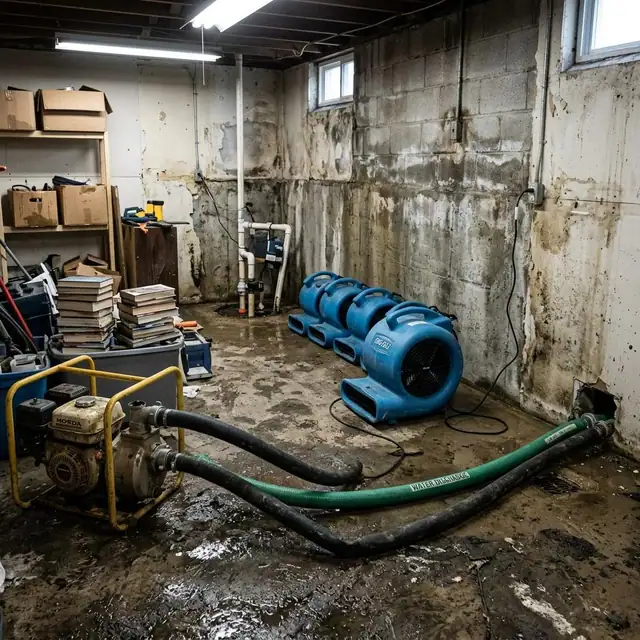
Boston's housing stock includes a lot of brick and wood frame buildings that are over a hundred years old. Many have dirt floor basements or uninsulated attics. These spaces are naturally damp, especially in spring and fall. I have seen crawl spaces with standing water after heavy rain because the grading outside sloped toward the foundation. That kind of moisture problem almost always leads to mold growth. An inspector will check the crawlspace, the basement, and the attic as part of a standard mold inspection Boston. They will also examine the HVAC system because ductwork can spread spores throughout the building.
One common finding is Penicillium on bathroom ceilings and around tubs. It shows up as green or blue patches and usually means the exhaust fan is not pulling enough moisture out. White mold often grows on wood surfaces in basements where humidity stays above 60 percent. Black mold tends to appear on drywall that has been wet for more than 48 hours. Each type requires a different cleaning approach. Some can be wiped away with detergent, while others need professional removal and disposal of porous materials. The inspector's report should include recommendations for remediation based on the species and the extent of growth.
The Role of Equipment and Tools
A good inspector carries more than a flashlight and a notepad. They use moisture meters, thermal cameras, and hygrometers to measure humidity levels. A boroscope lets them see inside wall cavities without cutting holes. A mold spore trap collects air samples over a set period, usually thirty minutes to an hour. The samples go to a lab that counts and identifies the spores. This data is compared to outdoor air samples to see if indoor levels are elevated. If the indoor count is significantly higher, there is an active mold problem that needs attention.
For cleanup, the inspector might recommend using a HEPA vacuum to capture fine particles after removal. A dehumidifier can help keep humidity below 50 percent in problem areas. These tools are not a cure by themselves, but they are part of a long-term moisture control plan. The best inspection report will tell you not just what is growing, but also what caused it and how to prevent it from coming back.
When to Schedule an Inspection
You should get an inspection if you notice any of these signs: a musty smell that does not go away, visible growth on any surface, recent water damage from a leak or flood, or a change in your family's allergy symptoms when indoors. It is also a good idea to have a property inspected before buying a home in Boston. A pre-purchase inspection can reveal hidden problems that might cost thousands to fix later. Sellers sometimes paint over mold to hide it, but an inspector with a moisture meter and boroscope can spot the deception.
If you are a landlord or property manager, regular inspections can help you stay ahead of tenant complaints and potential liability. The Boston Public Health Commission can get involved if a tenant reports a persistent mold problem. An inspection report from a certified professional gives you documentation that you took the issue seriously. It also helps you prioritize repairs if you have multiple units.
What the Report Should Include
A professional inspection report should be clear enough for a homeowner to understand and detailed enough for a contractor to act on. It should list the areas inspected, the types of mold found, the moisture readings, and the lab results. It should also include photographs and a diagram of the property showing where samples were taken. Recommendations should be specific: whether to clean, remove, or replace materials, and what kind of drying or ventilation improvements are needed. If the report recommends professional remediation, it should say why and what methods to use.
Some inspectors also provide a scope of work for remediation contractors. This document lists the steps to follow, the materials to use, and the containment measures to prevent spores from spreading during cleanup. Having this in writing protects you from contractors who might cut corners. It also gives you a baseline to compare bids.
Final Thoughts on Prevention
Mold needs moisture, a food source, and the right temperature to grow. You cannot change the temperature much, but you can control moisture. Fix leaks right away, improve ventilation in bathrooms and kitchens, and keep humidity below 60 percent with a dehumidifier if needed. In basements and crawlspaces, consider a vapor barrier on dirt floors and sump pumps for standing water. Regular maintenance of your HVAC system also helps because dust and condensation in the ducts can feed mold growth.
A professional mold inspection Boston gives you a roadmap. It tells you what is growing, where it came from, and how to stop it. That knowledge saves you time, money, and worry. Whether you are a homeowner, a buyer, or a property manager, the investment in a good inspection pays off in the long run.